Enhance Your Trees Capabilities: Explore the Diverse Types of Tree Services for Every Need
Maximizing a tree's potential requires an understanding of multiple tree services. These services extend from routine maintenance, such as pruning and fertilization, to emergency responses for storm damage. Each type plays a essential role in upholding the health and safety of trees. By exploring these options, one can guarantee their trees not only survive but thrive. Yet, the question remains: what specific services are necessary for peak growth and longevity?
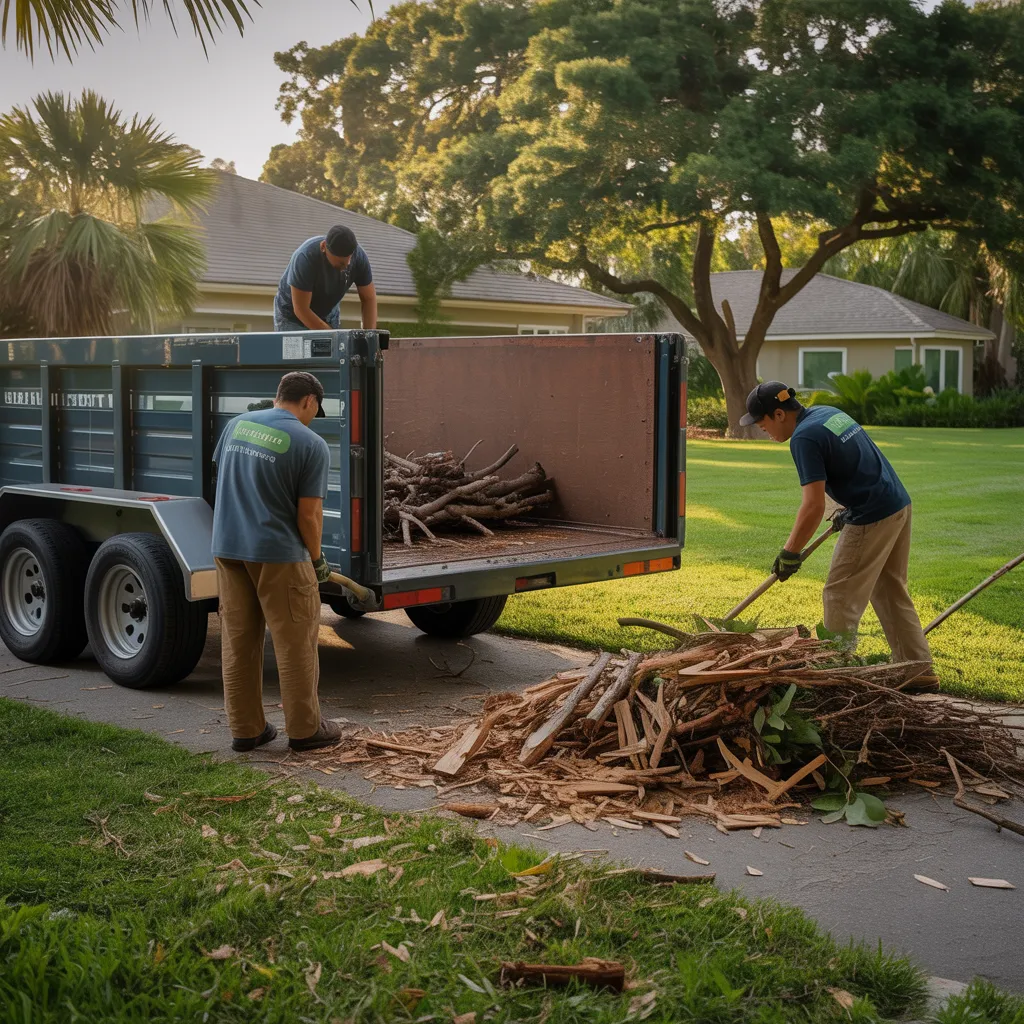
Regular Maintenance: Pruning and Trimming for Healthier Trees
While many homeowners appreciate the aesthetic value of trees, they often overlook the importance of routine maintenance, particularly pruning and trimming. Professional trimming not only refines the tree's aesthetics but also stimulates healthy expansion by cutting away dead or diseased limbs. This approach aids in sustaining the tree's composition, making certain it can resist natural forces such as wind and tempests.
Pruning, by contrast, centers on molding the tree and encouraging fuller foliage. West Vancouver top rated Solar Energy Company Consistent trimming can stop overgrowth that may hinder paths or power lines, consequently lessening hazards. Additionally, both trimming and trimming facilitate superior air circulation and sunlight penetration, which are critical for a tree's general health.
Property owners should think about scheduling these maintenance tasks annually or biannually, determined by the tree species and its growth rate. Engaging professional tree services can guarantee that these tasks are performed effectively and safely, in the end promoting the longevity and vitality of the trees in their landscape.
Tree Elimination: When and How to Part Ways
Tree removal is required when indicators of deterioration, such as dead limbs or root rot, endanger safety or wellness. Grasping safe removal techniques is vital to avoid harming surrounding areas. Additionally, post-removal landscape care carries substantial weight in maintaining the aesthetic and ecological balance of the environment.
Symptoms of Tree Degradation
How might someone spot the early warning signs of tree decline? Identifying these warning signals is essential for timely intervention. A significant indicator is the presence of dead or dying branches, which may appear brittle or have no foliage. Additionally, a tree may display unusual leaf discoloration or premature leaf drop, signaling stress. The trunk can show indications of decay, such as cracks, holes, or fungal growth. Roots may also become exposed or damaged, compromising stability and nutrient uptake. Lastly, an overall decline in growth or sparse canopy can suggest that the tree is struggling. By watching for these symptoms, one can make informed decisions about the status of the tree and consider necessary actions for its future.
Effective Removal Approaches
The decision to take down a tree can be tough yet sometimes required, especially if safety and wellness issues are involved. When approaching tree removal, using proper safety techniques is crucial. Professionals often assess the tree's health and nearby area to determine the best removal method. Techniques like "felling" involve cutting the tree at its base, permitting it to descend in a controlled fashion. For taller trees or those near structures, "sectional dismantling" can be applied, in which the tree is cautiously divided into smaller pieces and safely lowered. Suitable equipment, like rigging ropes and harnesses, is vital to secure the protection of workers and adjacent structures. Finally, employing qualified arborists secures that the removal procedure is carried out with exactness and diligence.
Post-Removal Landscape Care
Successfully removing a tree is simply the beginning of a new phase for the landscape. After removal, adequate landscape care is essential to rejuvenate and upgrade the area. Evaluating the soil condition is critical; it may need aeration or amendments to encourage new growth. Replenishing the void with superior topsoil can produce a smooth surface while preventing erosion.
Landscape solutions, like adding fresh trees and shrubs, can rejuvenate the space and improve curb appeal. Furthermore, the removal site should be monitored for any likely pest issues that may occur. Consistent maintenance, such as watering and mulching, will encourage healthy growth in the newly established landscape. Finally, strategic post-removal care guarantees a thriving and balanced environment for years to come.
Tree Disease Diagnosis: Identifying and Treating Tree Illnesses
Comprehending tree diseases is vital for maintaining healthy landscapes. This section will explore common tree diseases, present diagnostic techniques for recognizing issues, and detail available treatment options. Correct diagnosis and timely intervention can significantly enhance the longevity and vigor of affected trees.
Frequent Tree Ailments
Trees become prone to various diseases as they develop, which can undermine their overall health and durability. Frequently occurring tree diseases feature powdery mildew, a fungal ailment that shows up as a white chalky material on leaf surfaces, and root rot, often caused by overwatering or poor drainage. An additional common problem is oak wilt, a grave disease that affects oak trees, bringing about wilting and death. Furthermore, aphid infestations can weaken trees by sucking sap and transmitting diseases. Detecting these diseases is vital for proper treatment and care. Employing correct maintenance, including consistent monitoring and swift action, can help lessen the consequences of these diseases, ensuring trees remain healthy and vibrant throughout their lifespan.
Overview of Diagnostic Procedures
How do arborists successfully identify tree diseases? They utilize a combination of visual inspection and advanced diagnostic techniques. First, an arborist inspects the tree's physical condition, searching for symptoms such as discolored leaves, wilting, or unusual growth patterns. This assessment often includes analyzing the soil and surrounding environment for potential stress factors.
For additional investigation, arborists may employ tools like soil tests or lab analysis of leaf samples to pinpoint pathogens or nutrient deficiencies. Moreover, technology like infrared imaging can detect hidden issues within the tree structure. Understanding the specific tree species is vital, as different species show unique responses to diseases. By combining these methods, arborists can accurately detect tree illnesses, enabling informed management decisions.
Available Treatment Alternatives
Following the diagnosis of tree diseases through meticulous examination and modern approaches, arborists can continue to assess appropriate treatment options. Treatments may include focused chemical applications to combat harmful pests or fungal diseases, ensuring limited effects on the surrounding ecosystem. In cases of nutrient deficiencies, fertilizer applications or foliar sprays can restore health. Cutting back damaged or infected branches is essential to prevent further spread of disease. In addition, implementing correct irrigation methods can support recovery. For critical situations, tree removal may be necessary to protect surrounding vegetation. Consistent observation and maintenance further enhance the tree's resilience against future health issues. Each treatment plan is personalized to the specific needs of the tree, emphasizing the importance of professional intervention in protecting tree health.
Tree Fertilization: Nurturing Your Trees for Maximum Growth
Fertilization fulfills a critical purpose in making certain that trees receive the vital nutrients necessary for healthy growth and vitality. Trees, much like other living creatures, rely on a balanced supply of macronutrients such as nitrogen, phosphorus, and potassium, together with trace elements like iron and magnesium. These nutrients support activities like photosynthesis, root development, and overall health.
Tree fertilization must be customized to the particular species and characteristics of the environment, as distinct trees have specific nutritional requirements. Soil analysis can help identify nutrient deficiencies and inform appropriate fertilization methods. Additionally, the timing of fertilization is crucial; spring is often the best period as trees begin their growing season.
Using professional tree services can increase the success of fertilization, ensuring appropriate application methods and formulations. This strategic approach not only encourages optimal growth but also increases the tree's resistance to diseases and environmental stressors.
Critical Services: Handling Storm Damage and Hazards
Harsh weather incidents can cause considerable storm destruction, creating dangers for both property and safety. When trees fall or become compromised due to high winds, heavy rain, or snow accumulation, immediate response is critical. Emergency tree experts concentrate on assessing the destruction and reducing hazards associated with collapsed or hazardous trees. These professionals are equipped to handle numerous scenarios, from eliminating dangerous branches endangering buildings to total tree removal that might hinder streets or entry points.
Moreover, emergency services frequently provide cleanup assistance, ensuring that debris does not pose more risks. Their knowledge allows for fast and safe resolutions, minimizing damage to surrounding landscapes and properties. Clients facing storm-related emergencies profit greatly from prompt, professional intervention, ensuring a rapid return to normalcy. By addressing hazards effectively, tree service professionals play an essential role in maintaining safety and protecting property during and after severe weather events.
Expert Consulting: Expert Advice for Tree Maintenance Strategy
Consulting services provide invaluable expertise in tree care planning, assisting property owners with maintaining the health and longevity of their trees. These professionals assess tree conditions, detecting problems including pests, diseases, and structural weaknesses. Through comprehensive assessments, they offer tailored recommendations that suit individual landscapes and specific tree species.
In addition, professional consultation educate property owners on proper planting techniques, pruning schedules, and soil management practices. This knowledge allows clients to make well-informed decisions, making certain their trees grow successfully in various environments.
In addition, experts commonly formulate long-term management approaches, which include scheduled monitoring and maintenance practices. These proactive steps help mitigate potential hazards and boost the aesthetic quality of properties.
In conclusion, expert consulting services serve as a crucial resource for individuals striving to develop a healthy and sustainable tree population, enhancing overall ecosystem health and enhancing the beauty of outdoor spaces.
Frequently Asked Questions
At What Intervals Should I Schedule Tree Maintenance Services?
Tree maintenance services should typically be scheduled annually, with supplementary visits arranged in the aftermath of major storms or weather incidents. Consistent inspections help maintain tree health, safety, and aesthetic appeal while preventing potential hazards and costly damages.
What Is the Best Season for Tree Pruning?
The ideal season for tree pruning is early spring or late winter, shortly before new growth starts. This timing decreases stress on the tree and enables optimal healing, encouraging healthier growth during the coming growing season.
Can Tree Services Assist With Landscaping Design?
Tree services can definitely support landscaping design by reviewing current vegetation, identifying appropriate tree species, and formulating plans that enhance aesthetic quality while securing healthy progression and integration with the overall landscape surroundings.
Are Tree Service Companies Licensed and Insured?
Yes, trustworthy tree care providers are usually insured and licensed. This guarantees that they meet local standards and safeguard both the company and clients from potential liabilities, assuring a secure and professional approach to tree care.
How Can I Select the Right Tree Service Provider?
To choose the right tree service provider, one should confirm qualifications, confirm insurance and licenses, look at customer reviews, solicit estimates, and review experience. Obtaining multiple opinions can help provide informed decision-making for tree maintenance needs.